About Mount Vesuvius
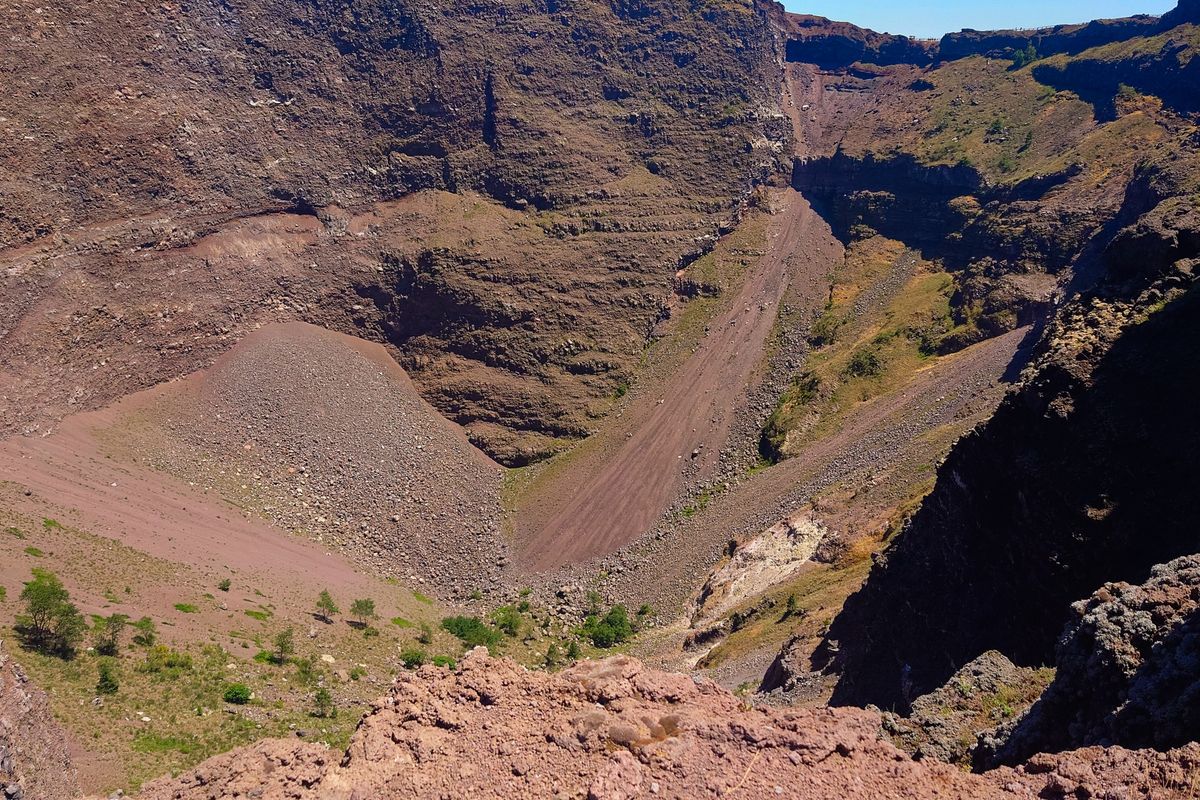
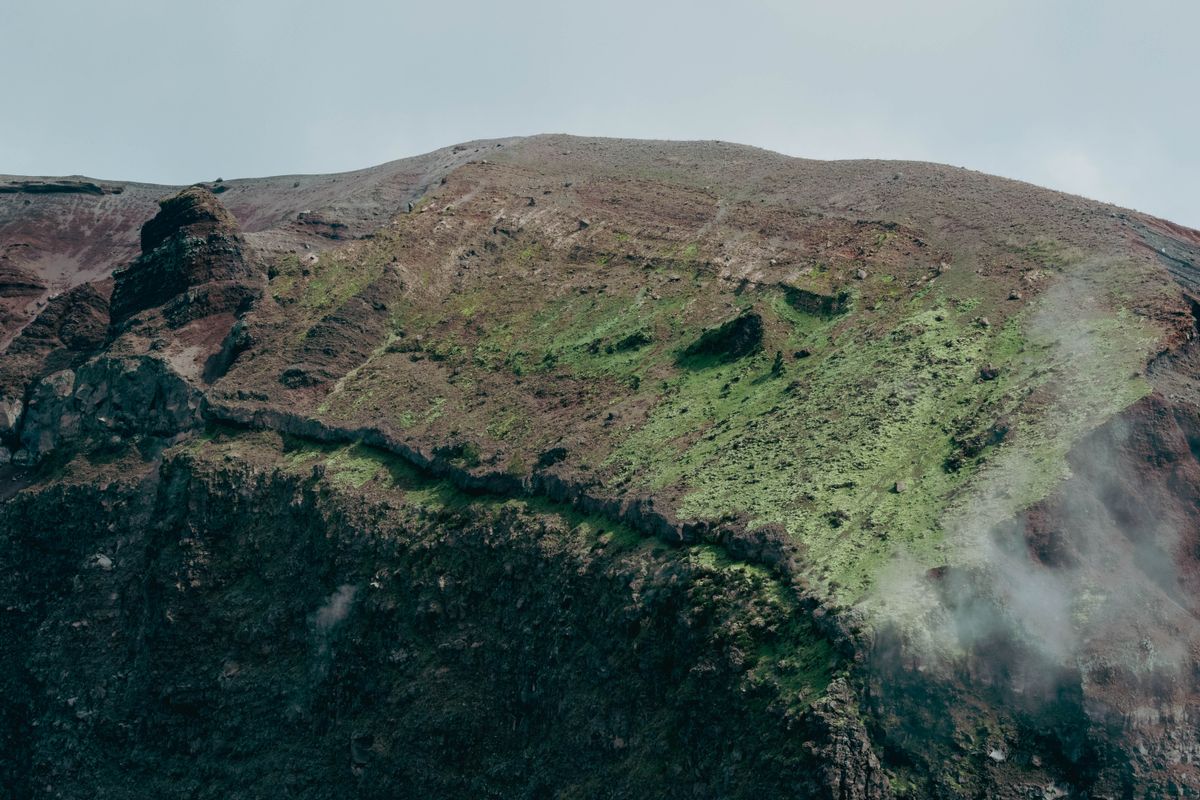
Mount Vesuvius is a stratovolcano on the Gulf of Naples, best known for the AD 79 eruption that buried Pompeii, Herculaneum and Stabiae. It last erupted in 1944 and is closely monitored as one of the most dangerous volcanoes in the world because of the dense population around it.
The upper cone lies within Vesuvius National Park, and visitors can walk a path to the crater rim. The Roman sites destroyed by the volcano are managed separately.
This page is an independent guide for visitors, covering Vesuvius National Park and the archaeological parks.